A bright, white smile can make a lasting impression, enhancing confidence and overall appearance. Achieving this effect often involves more than regular brushing and flossing. Professional teeth whitening in Essex has become a popular cosmetic dental solution, offering fast and effective results. Understanding the science behind teeth whitening helps individuals make informed choices about the best methods and treatments to achieve a radiant smile safely.
This guide explores the mechanisms of teeth whitening, the treatments available, benefits, precautions, and tips for maintaining long-lasting results.

Understanding Teeth Discoloration
Causes of Tooth Staining
Teeth can become discolored for a variety of reasons, including:
Consumption of staining foods and beverages such as coffee, tea, red wine, and dark berries
Tobacco use, which deposits tar and nicotine on enamel
Aging, which naturally thins enamel and exposes the yellowish dentin underneath
Certain medications that can darken teeth
Trauma or injury that affects the inner tooth structure
Types of Discoloration
Discoloration can be classified as extrinsic or intrinsic. Extrinsic stains affect the outer enamel and are usually caused by dietary and lifestyle factors. Intrinsic stains occur within the tooth and may result from trauma, genetics, or medication. Understanding the type of discoloration helps determine the most effective whitening method.
How Teeth Whitening Works
The Role of Peroxide-Based Agents
Most professional teeth whitening treatments use hydrogen peroxide or carbamide peroxide. These compounds release oxygen molecules that penetrate the enamel to break down chromogens, which are the molecules responsible for discoloration. This chemical reaction effectively lightens the teeth from within while preserving the natural structure.
Difference Between In-Office and At-Home Treatments
Professional in-office whitening uses higher concentrations of peroxide, often combined with light or laser activation to accelerate results. At-home treatments typically use lower concentrations in custom-fitted trays, allowing gradual whitening over several days or weeks. Both methods rely on the same chemical process but vary in speed and intensity.
Safety and Effectiveness
When applied under professional supervision, teeth whitening is safe for most patients. Dentists evaluate oral health and customize treatments to minimize sensitivity while achieving even, natural-looking results.
Methods of Teeth Whitening
In-Office Professional Whitening
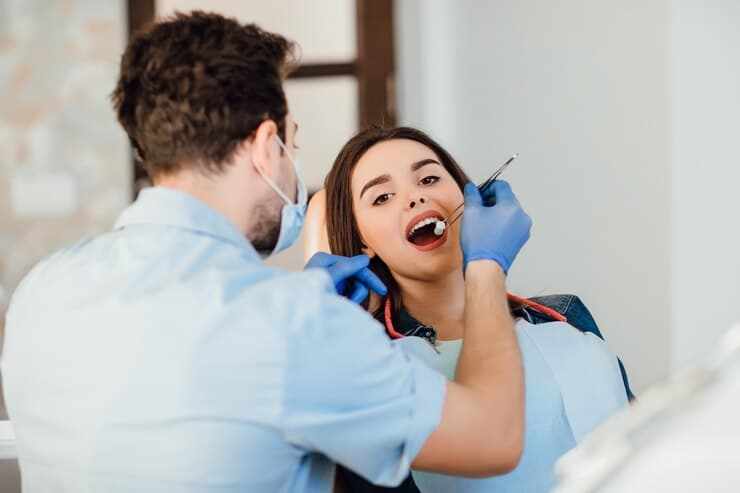
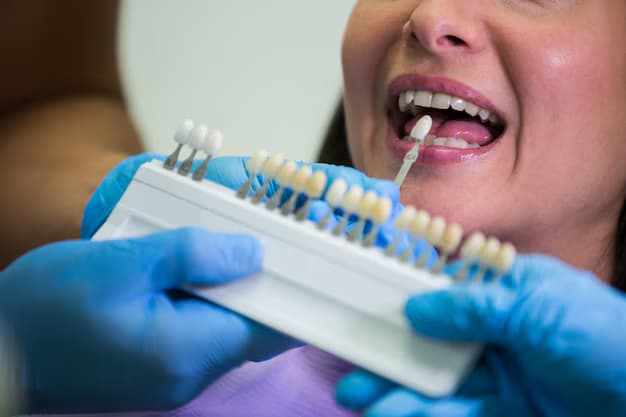
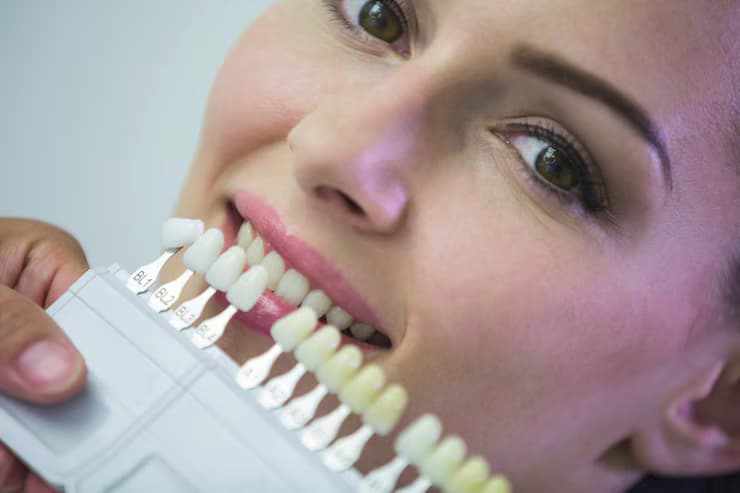
This method provides the fastest results, often achieving noticeable brightness in a single session. Dentists carefully apply the bleaching agent and may use specialized lights to enhance its effectiveness.
Benefits of In-Office Whitening
Immediate and visible results
Precise application ensures even whitening
Professional supervision reduces risk of irritation or uneven results
Take-Home Whitening Kits
Custom trays and lower-concentration whitening gels are provided by dentists for home use. Patients apply the gel to the trays and wear them for the recommended period, achieving gradual whitening.
Benefits of Take-Home Kits
Controlled and even application
Lower risk of sensitivity
Convenient and flexible for personal schedules
Over-the-Counter Products
Products such as whitening strips, toothpaste, and gels are widely available. While they can produce modest results, they generally lack the precision and strength of professional treatments.
Limitations of Over-the-Counter Products
Slower and less dramatic results
Difficulty achieving uniform whitening
Potential for gum irritation or uneven application
Benefits of Teeth Whitening
Enhanced Aesthetic Appeal
Whiter teeth improve overall facial aesthetics and contribute to a youthful, healthy appearance.
Boosted Self-Confidence
A radiant smile can significantly enhance self-esteem, encouraging more frequent smiling and social engagement.
Minimally Invasive
Teeth whitening is non-surgical and does not require drilling or anesthesia, making it a convenient cosmetic solution.
Complements Other Cosmetic Treatments
Whitening can be combined with treatments like veneers, crowns, or bonding for a harmonious, complete smile makeover.
Preparing for Teeth Whitening
Dental Assessment
A professional evaluation ensures teeth and gums are healthy and free from decay or disease. Addressing underlying issues prior to whitening is essential for optimal results.
Discussing Goals
Patients should discuss their desired level of whitening and any concerns about sensitivity. Realistic expectations help achieve satisfaction with the final outcome.
Professional Cleaning
Removal of plaque and tartar before bleaching enhances the effectiveness and uniformity of the whitening process.
Aftercare and Maintenance
Managing Sensitivity
Some patients experience temporary sensitivity after whitening. Using toothpaste for sensitive teeth, avoiding extremely hot or cold foods, and following dentist recommendations can alleviate discomfort.
Avoiding Staining Foods and Habits
Limiting coffee, tea, red wine, and tobacco helps maintain whitened teeth. Using a straw for drinks can reduce direct contact with the enamel.
Regular Dental Hygiene
Brushing twice daily, flossing, and routine dental visits support long-term results and overall oral health.
Periodic Touch-Ups
Follow-up treatments, either in-office or at home, can help maintain brightness and counteract gradual staining over time.
Risks and Considerations
Not Suitable for Everyone
Teeth whitening may not be recommended for patients with severe dental issues, gum disease, or extensive restorations that do not respond to bleaching.
Understanding Limitations
Teeth whitening affects natural teeth but may not change the color of crowns, veneers, or fillings. Dental professionals ensure patients are aware of these limitations before treatment.
Choosing a Qualified Practitioner
Professional supervision ensures safe application, effective results, and proper management of sensitivity or potential side effects.
The Science of a Brilliant Smile
Chemical Reaction and Enamel Safety
The peroxide compounds in whitening agents work by breaking down chromogens without damaging the enamel. When used correctly, this process achieves significant lightening while preserving tooth integrity.
Individual Variations
Results can vary depending on enamel thickness, original tooth color, and lifestyle habits. Customized treatments and monitoring by a dentist ensure optimal outcomes for each patient.
Combining Whitening with Other Treatments
Whitening is often part of a comprehensive cosmetic plan. Combined with veneers, bonding, or orthodontics, it can enhance the overall harmony, symmetry, and brightness of the smile.
Conclusion
Professional teeth whitening in Essex offers an effective and scientifically-backed way to achieve a brighter, more confident smile. By understanding the causes of discoloration, choosing the right treatment method, and maintaining proper oral care, patients can enjoy lasting results that enhance both appearance and self-esteem. For expert guidance, safe application, and exceptional results, visit Perfect Smile Spa.



Write a comment ...