
Dental implants have become one of the most popular and effective solutions for replacing missing teeth. With advances in dental technology, patients can now enjoy the benefits of natural-looking and long-lasting teeth. For those considering dental implants in Essex, it is important to understand the process, benefits, and considerations before undergoing treatment. This guide provides a comprehensive overview to help individuals make informed decisions.
What Are Dental Implants?
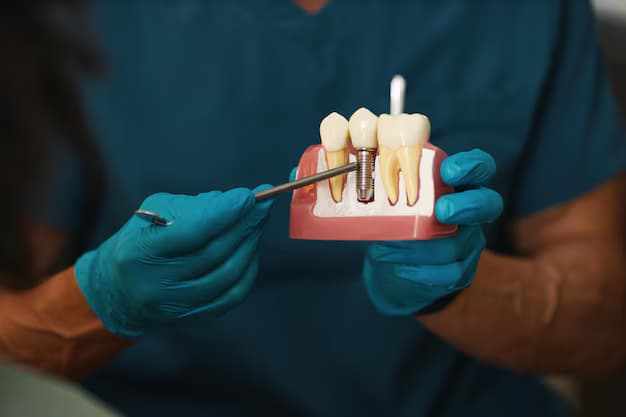
Dental implants are artificial tooth roots made of biocompatible materials, usually titanium, that are surgically placed into the jawbone. They provide a strong foundation for fixed or removable replacement teeth designed to match natural teeth. Unlike dentures, implants are permanent and integrate with the bone, providing stability and functionality similar to natural teeth.
Components of a Dental Implant
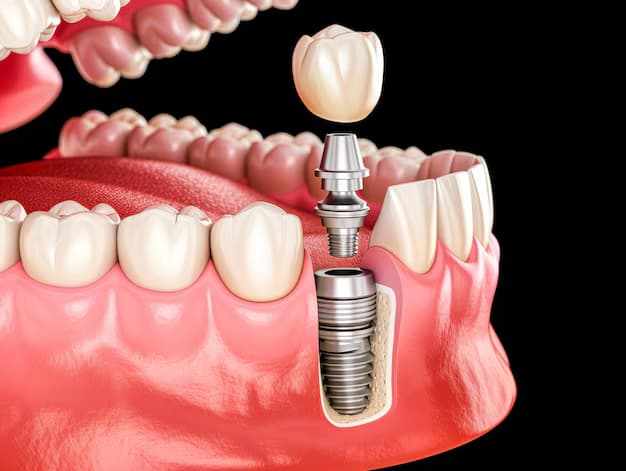
A dental implant typically consists of three main parts:
Implant Post: This is the titanium screw that is placed into the jawbone, acting as the root of the new tooth.
Abutment: The connector that attaches the implant post to the crown.
Crown: The visible part of the tooth that is custom-made to match the shape, size, and color of the surrounding natural teeth.
Each component plays a critical role in ensuring the implant functions properly and looks natural.
Benefits of Dental Implants
Dental implants offer a wide range of benefits that go beyond simply improving appearance. Understanding these advantages can help patients appreciate why implants are often considered the best long-term solution for tooth replacement.
Improved Oral Health
Unlike traditional bridges, dental implants do not require adjacent teeth to be altered. This helps preserve the natural tooth structure and maintain overall oral health. Additionally, implants prevent bone loss by stimulating the jawbone, which can occur when teeth are missing.
Enhanced Functionality
Dental implants function just like natural teeth. They allow individuals to chew, speak, and smile confidently without worrying about slipping or discomfort. This is especially beneficial for those who have struggled with removable dentures.
Long-Term Durability
With proper care, dental implants can last a lifetime. They are highly durable and resistant to decay, unlike natural teeth or bridges. Regular dental check-ups and good oral hygiene further increase their longevity.
Aesthetic Appeal
Implants provide a natural appearance that blends seamlessly with existing teeth. Custom-made crowns are designed to match the patient’s smile, making dental implants an ideal option for restoring confidence.
The Dental Implant Procedure
Understanding the dental implant procedure helps patients know what to expect from start to finish. While every case may differ slightly, the general process includes several key stages.
Initial Consultation
The first step involves a detailed examination by a dental professional. This includes reviewing the patient’s medical history, assessing oral health, and taking X-rays or 3D scans to evaluate the jawbone’s condition. A treatment plan is then created based on the individual’s needs.
Implant Placement
During the surgical procedure, the implant post is inserted into the jawbone. Local anesthesia or sedation is used to ensure comfort. After placement, a healing period of several months allows the implant to fuse with the bone, a process known as osseointegration.
Abutment and Crown Placement
Once the implant has fully integrated, the abutment is attached, followed by the placement of a custom-made crown. This final step completes the restoration, providing a fully functional and aesthetically pleasing tooth replacement.
Follow-Up Care
After the procedure, patients are advised to follow a strict oral hygiene routine and attend regular dental check-ups. This ensures the implant remains healthy and any potential issues are detected early.
Who Is a Candidate for Dental Implants?
Not everyone is automatically a candidate for dental implants. Several factors influence eligibility, and a thorough evaluation by a dental professional is essential.
Sufficient Bone Density
Adequate jawbone density is necessary to support the implant. Patients with bone loss may require bone grafting before receiving implants.
Good Oral Health
Healthy gums and overall oral hygiene are crucial for implant success. Conditions such as gum disease must be treated before the procedure.
General Health Considerations
Certain medical conditions, such as uncontrolled diabetes or immune system disorders, may affect healing and implant success. A comprehensive health assessment is important to ensure the procedure is safe.
Commitment to Oral Care
Dental implants require lifelong maintenance, including regular brushing, flossing, and professional check-ups. Patients must be committed to maintaining oral hygiene for long-term success.
Risks and Considerations
While dental implants are generally safe and effective, it is important to be aware of potential risks and considerations.
Infection and Complications
As with any surgical procedure, there is a risk of infection. Following post-operative care instructions carefully reduces this risk. Rare complications may include nerve damage or implant failure.
Healing Time
Implants require a healing period before the final crown can be placed. Patients should be prepared for a process that may take several months.
Cost
Dental implants can be more expensive than other tooth replacement options. However, their long-term durability and benefits often justify the investment.
Alternatives to Dental Implants
For individuals who may not be suitable candidates for implants or prefer other options, several alternatives are available.
Dental Bridges
Bridges replace one or more missing teeth by anchoring to adjacent natural teeth. They are less invasive than implants but may affect surrounding teeth.
Dentures
Removable dentures are a cost-effective solution for multiple missing teeth. However, they may be less comfortable and require ongoing adjustments.
Mini Implants
Mini dental implants are smaller versions of standard implants and may be suitable for patients with limited bone density. They are less invasive and can provide temporary or permanent solutions.
Preparing for Dental Implant Treatment
Proper preparation can significantly improve the success of dental implants. Patients should follow pre-treatment guidelines provided by their dentist.
Pre-Surgical Instructions
These may include avoiding certain medications, maintaining good oral hygiene, and arranging for post-operative care. Patients may also be advised to stop smoking, as it can impede healing.
Mental and Emotional Preparation
Understanding the procedure and setting realistic expectations helps reduce anxiety. Discussing any concerns with the dental professional ensures patients feel confident and informed.
Aftercare and Maintenance
Post-treatment care is critical for the longevity of dental implants. Patients should follow specific guidelines to ensure optimal results.
Oral Hygiene Practices
Brushing twice daily, flossing, and using antibacterial mouthwash helps prevent infection and maintain implant health.
Regular Dental Check-Ups
Routine check-ups allow dental professionals to monitor the implant and surrounding tissues, ensuring early detection of any potential issues.
Healthy Lifestyle Choices
Avoiding smoking, limiting sugary foods, and maintaining overall health contribute to the success and longevity of dental implants.
Conclusion
Dental implants provide a reliable, long-lasting, and aesthetically pleasing solution for missing teeth. With proper planning, professional guidance, and diligent aftercare, patients can restore both function and confidence in their smiles. For those seeking dental implants Essex residents can trust, Perfect Smile Spa offers expertise and comprehensive care to ensure a successful treatment experience.






Write a comment ...